Understanding your body's composition is a key step towards achieving your health and fitness goals. While the number on the scale can give you a general idea, it doesn't tell the whole story. Your weight is made up of various components, including muscle, bone, water, and fat. Knowing the percentage of your body that is fat provides a much clearer picture of your overall health than just your total weight.
Body fat percentage is simply the proportion of your total body mass that is fat. It's a more accurate indicator of fitness and health risks than Body Mass Index (BMI), which only considers height and weight. Two people can have the same BMI but vastly different body fat percentages due to differences in muscle mass.
There are several methods to estimate body fat, ranging from highly accurate lab tests to more accessible field methods. One popular and convenient method is the U.S. Navy Body Fat Calculator. This method uses a few simple measurements to provide a reasonable estimate of your body fat percentage without needing specialized equipment. You can try it yourself with our body fat calculator at /calculators/body-fat.
Why is Body Fat Percentage Important?
Your body fat percentage plays a crucial role in your health. Both too little and too much body fat can lead to health problems. Essential body fat is necessary for basic bodily functions, protecting organs, and storing energy. For men, this is typically 2-5%, and for women, it's 10-13%.
Beyond essential fat, higher levels of body fat, especially visceral fat (fat around your organs), are associated with an increased risk of chronic diseases. These include heart disease, type 2 diabetes, high blood pressure, and certain cancers. Maintaining a healthy body fat percentage is a proactive step towards long-term well-being.
Conversely, extremely low body fat percentages can also be detrimental. It can lead to hormonal imbalances, weakened immune function, and bone density issues, particularly in women. Finding a healthy balance is key.
How the U.S. Navy Method Works
The U.S. Navy method for estimating body fat is a practical and widely used approach. It relies on taking specific circumference measurements of your body. For men, this typically involves measuring the neck and waist. For women, measurements include the neck, waist, and hips. These measurements are then plugged into a formula that provides an estimated body fat percentage.
The rationale behind these measurements is that certain areas of the body tend to accumulate fat more readily than others. For example, a larger waist circumference often indicates more abdominal fat. The neck measurement is used to account for bone and muscle structure in the upper body.
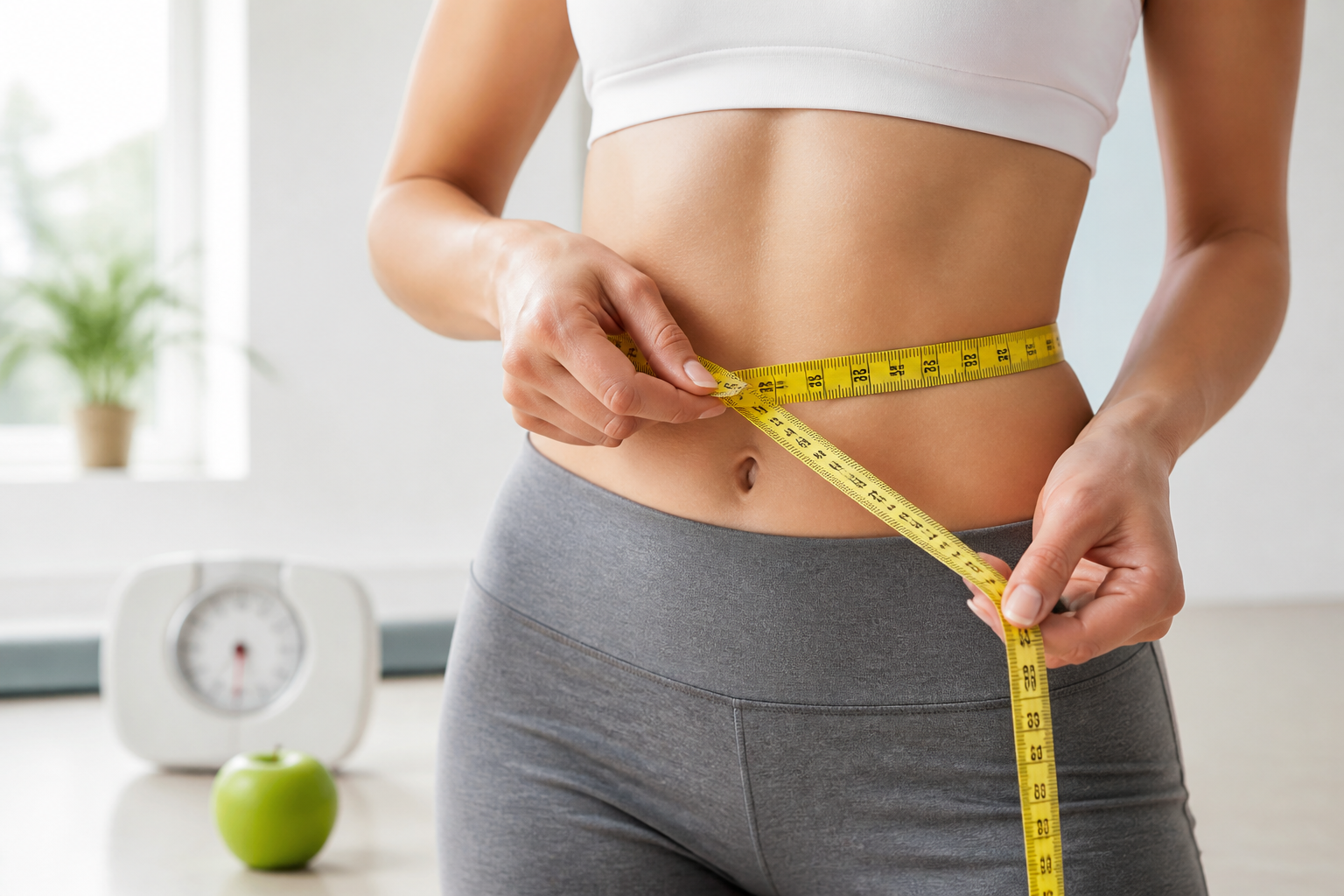
It's important to take accurate measurements to get the most reliable estimate. Use a flexible tape measure and ensure it's snug against your skin without compressing it. Take measurements multiple times and average them for better consistency. Remember, this is an estimation, not a precise medical diagnosis.
Interpreting Your Results
Once you've used a body fat calculator, like the one found at /calculators/body-fat, you'll get a percentage. But what does that number actually mean for you? Healthy body fat percentages vary significantly based on age, gender, and activity level. Generally, women naturally have a higher body fat percentage than men due to reproductive functions.
For example, a healthy body fat range for an adult male might be considered 10-20%, while for an adult female, it might be 20-30%. Athletes often have lower percentages due to higher muscle mass. It's more useful to look at ranges and trends over time rather than focusing on a single number. Consult with a healthcare professional or a certified fitness expert to get personalized advice.
Remember that the U.S. Navy method provides an estimate. While it's a good starting point, factors like hydration levels, recent food intake, and measurement technique can influence the results. Use it as a tool for tracking progress and understanding changes in your body composition, rather than a definitive medical assessment.
Beyond the Number: What to Do Next
Estimating your body fat percentage is a great first step, but it's just one piece of the puzzle. The most important thing is to use this information to inform healthy lifestyle choices. If your body fat percentage is higher than recommended, focus on sustainable strategies to reduce it. This typically involves a combination of a balanced diet and regular exercise.
Incorporate a variety of physical activities, including cardiovascular exercise and strength training, into your routine. Strength training is particularly important as it builds muscle mass, which in turn can help lower your body fat percentage. Prioritize whole, unprocessed foods and be mindful of portion sizes.
Conversely, if your body fat percentage is too low, it's important to consult with a doctor or dietitian. They can help you develop a plan to safely increase your body fat to a healthy level. Remember, health is about balance and consistency, not extremes.
Your journey to better health is ongoing. Regularly monitoring your body composition, alongside other health markers, can help you stay on track. Use tools like the body fat calculator as part of a comprehensive approach to understanding and managing your well-being.