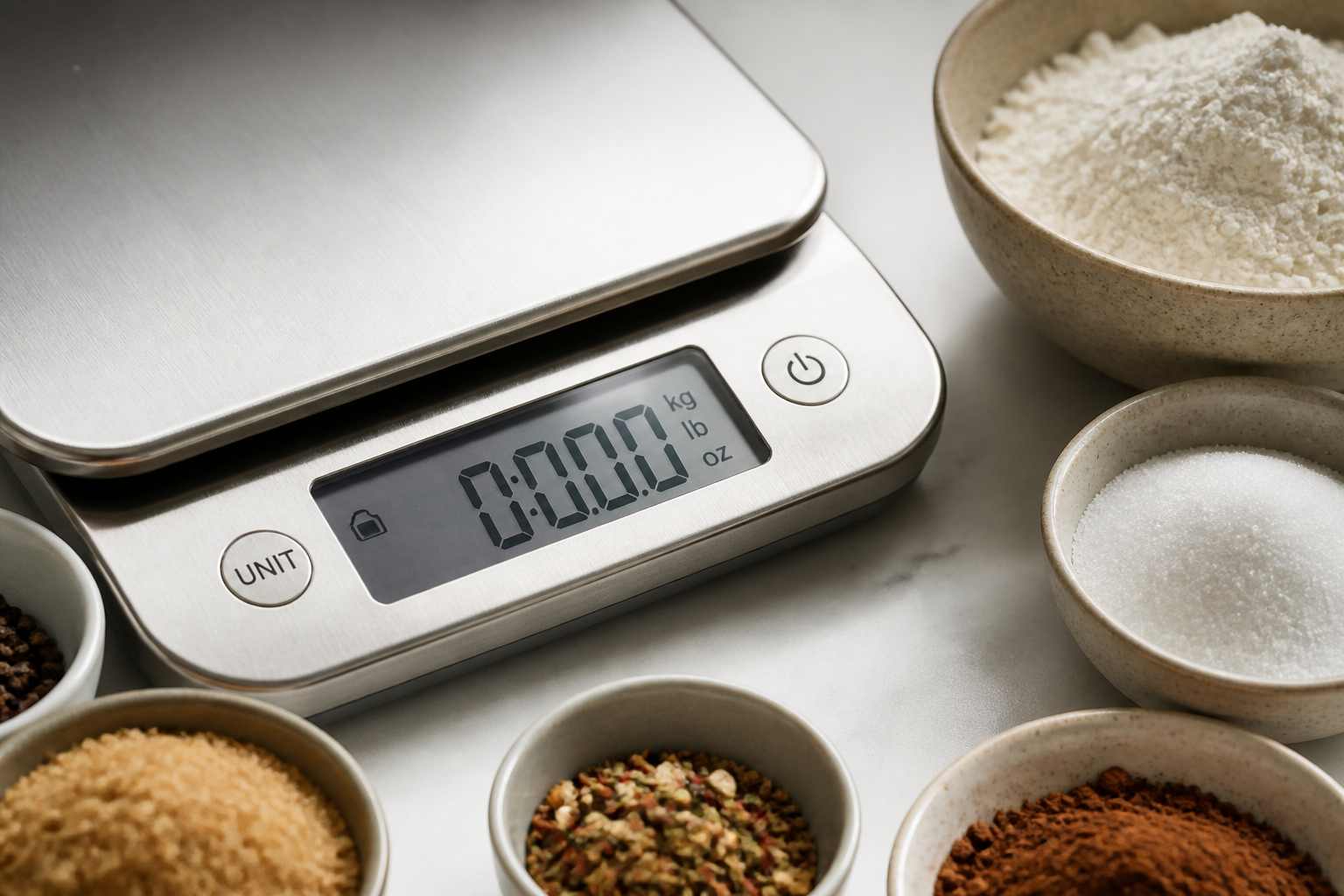
Ever found yourself staring at a recipe from another country, wondering how many grams are in that cup of flour, or needing to convert your own body weight for a fitness tracker that uses a different measurement system? You're not alone. Weight conversions are a common necessity in our increasingly interconnected world, affecting everything from cooking to shipping to personal health.
Understanding how to switch between different units of weight is a valuable skill. Whether you're dealing with the metric system's kilograms and grams or the imperial system's pounds and ounces, knowing the relationships between these units can save you time and prevent errors. This guide will walk you through the most common weight conversions and the principles behind them.
The metric system, used by most of the world, is based on units of ten. Its fundamental unit of mass is the gram (g), though the kilogram (kg) is more commonly used for everyday measurements. One kilogram is precisely 1,000 grams. This makes conversions within the metric system relatively straightforward; you simply multiply or divide by powers of ten.
In contrast, the imperial system, predominantly used in the United States, has a more complex structure for weight. The most common units are the pound (lb) and the ounce (oz). There are 16 ounces in one pound. For larger measurements, the ton (short ton in the US) is used, which equals 2,000 pounds. This non-decimal relationship can make imperial-to-imperial conversions a bit trickier.
Converting between metric and imperial units is where things often get interesting. A common conversion you might need is between kilograms and pounds. Approximately, 1 kilogram is equal to 2.20462 pounds. Conversely, 1 pound is about 0.453592 kilograms. These conversion factors are crucial for accuracy in many applications.
Let's consider an example. If a package weighs 5 kilograms and needs to be shipped to a country that uses pounds, you'd multiply 5 by 2.20462, resulting in approximately 11.02 pounds. Or, if a recipe calls for 8 ounces of an ingredient, and your scale only measures in grams, you'd need to convert. Since 1 ounce is approximately 28.3495 grams, 8 ounces would be around 226.796 grams.
For quick and accurate conversions without manual calculations, tools like the CalcBox weight converter are incredibly useful. You can easily switch between kilograms, grams, pounds, and ounces, getting instant results. Just visit /calculators/weight-converter and input your values.
The importance of accurate weight conversion cannot be overstated. In cooking, precise measurements ensure the success of a recipe. In shipping, correct weight declarations prevent delays and extra costs. In health and fitness, tracking your weight accurately, regardless of the unit, is vital for monitoring progress. Even in scientific research, maintaining unit consistency is fundamental to reliable data.
While it might seem daunting at first, understanding the basics of weight conversion empowers you to navigate various measurement systems with confidence. With a few key conversion factors and the help of reliable tools, you can ensure accuracy in all your weight-related tasks.