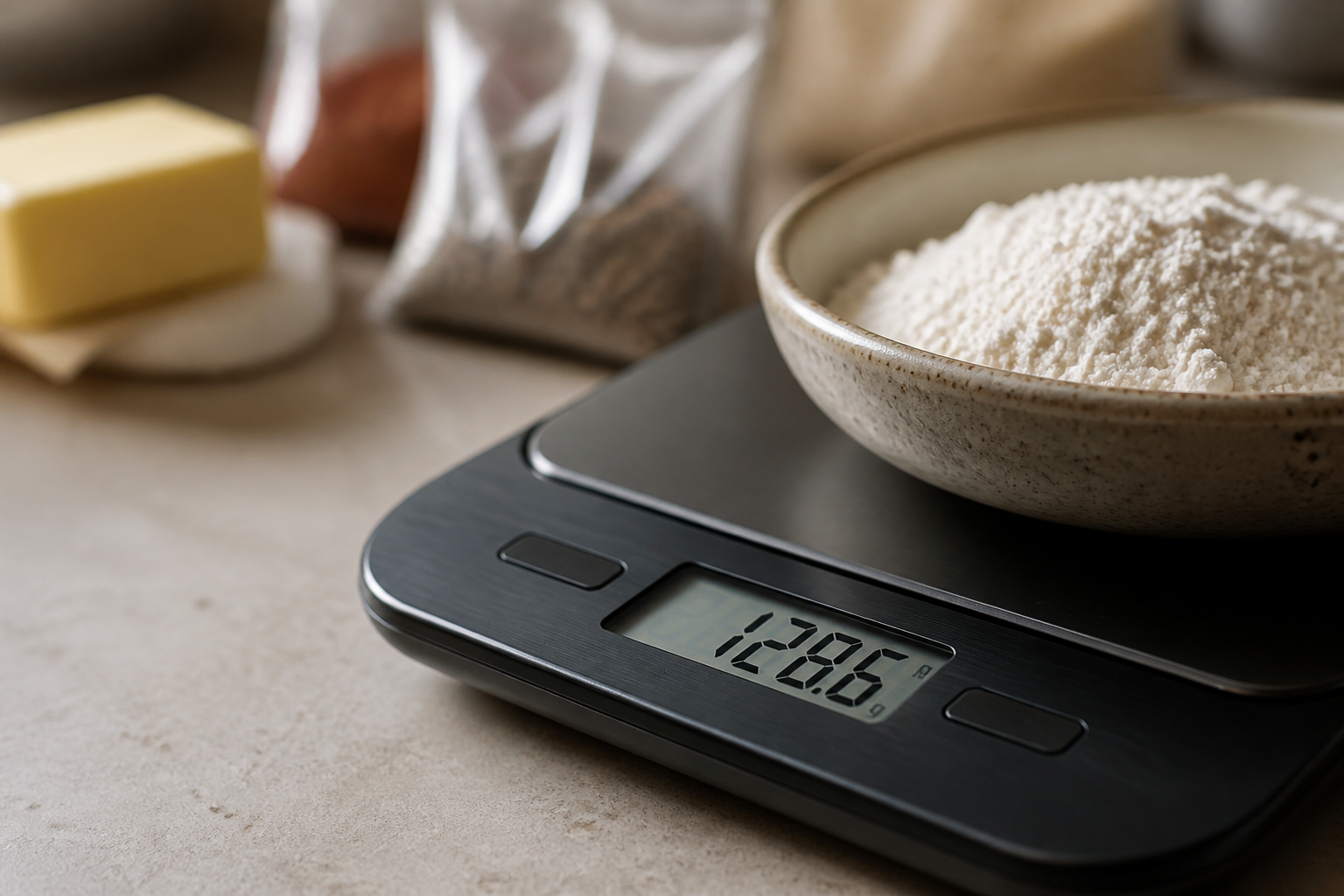
Weight is a fundamental measurement we encounter daily, from buying groceries to following a recipe, or even understanding our own body mass. However, the world uses a variety of units to quantify weight, leading to potential confusion. Some countries primarily use the metric system (kilograms, grams), while others, like the United States, still widely use imperial units (pounds, ounces). Navigating between these systems requires a clear understanding of the conversion principles.
Imagine you're following a delicious baking recipe from a British cookbook, and all the flour is listed in grams, but your kitchen scale only measures in pounds and ounces. Or perhaps you're ordering a product online from a country that uses kilograms, and you need to estimate its weight in pounds for shipping costs. These everyday scenarios highlight the critical need for accurate weight conversion. Without it, you might end up with too much or too little of an ingredient, or an unexpected shipping fee.
The metric system, based on multiples of ten, makes conversions relatively straightforward. The base unit for mass is the gram (g), and a kilogram (kg) is 1,000 grams. This decimal relationship simplifies calculations. For example, 2.5 kg is simply 2,500 g. The imperial system, on the other hand, uses different factors: 1 pound (lb) equals 16 ounces (oz). While these systems seem disparate, there are precise conversion factors to bridge the gap.
One of the most common conversions is between kilograms and pounds. The exact conversion factor is approximately 1 kilogram = 2.20462 pounds. This means if you have 10 kilograms of something, it would be around 22.05 pounds. Conversely, to convert pounds to kilograms, you would divide the pound value by 2.20462. Understanding this primary conversion is key to navigating international standards and product specifications.
Similarly, converting between grams and ounces is frequently needed, especially in cooking and small-scale measurements. The conversion factor is approximately 1 ounce = 28.3495 grams. So, if a recipe calls for 100 grams of an ingredient, you'd need about 3.53 ounces. Knowing these precise figures, or having a reliable tool at hand, ensures accuracy in your tasks. A slight miscalculation in baking, for instance, can significantly alter the final outcome of a dish.
This is where a dedicated weight converter calculator becomes invaluable. Instead of memorizing obscure conversion factors or risking errors with manual calculations, a tool like the one found at /calculators/weight-converter allows you to input a value in one unit and instantly get its equivalent in another. It handles the precision, saving you time and ensuring accuracy, whether you're dealing with large quantities or very small, sensitive measurements. It simplifies everything from managing personal fitness goals measured in kilograms to understanding product weights in international trade.
Beyond simple unit-to-unit conversions, a good understanding of weight measurement helps in comparing values, estimating quantities, and making informed decisions. It empowers you to confidently interpret information presented in different units and ensures you're never caught off guard by unfamiliar measurements. Whether you're a home cook, an online shopper, or just trying to understand the labels on your food, mastering weight conversions is a practical skill for modern life.