Hydration is fundamental to life, yet many of us don't consciously think about whether we're drinking enough water. Water makes up about 60% of your body weight and is crucial for countless bodily functions. From regulating body temperature to transporting nutrients and lubricating joints, water is an unsung hero in maintaining our health and vitality. Understanding your individual hydration needs is the first step towards feeling your best.
The common advice to drink "eight glasses a day" is a good starting point, but it's a generalized recommendation that doesn't account for individual differences. Your body is unique, and so are its hydration demands. Factors like your body weight, activity level, climate, and overall health status all play a significant role in determining how much water you should actually be consuming. A personalized approach ensures you meet your body's specific requirements.
Dehydration, even mild, can lead to a host of unpleasant symptoms. These can range from fatigue and headaches to impaired cognitive function and reduced physical performance. Over time, chronic insufficient water intake can contribute to more serious health issues, impacting kidney function, digestive health, and even skin elasticity. Prioritizing proper hydration isn't just about quenching thirst; it's about proactive health management.
Why Water is So Important for Your Body
Every single cell, tissue, and organ in your body needs water to function correctly. It's involved in nutrient absorption, ensuring that the vitamins, minerals, and other vital compounds from your food get where they need to go. Water also plays a critical role in waste removal, flushing toxins from your system through urine and sweat. Without adequate water, these essential processes become less efficient, impacting your overall well-being.
Think of water as the body's internal cooling system. When you exert yourself or are in a warm environment, your body sweats to release heat, and that sweat is primarily water. Replenishing this lost fluid is crucial to prevent overheating and maintain a stable internal temperature. It also helps maintain blood volume, ensuring your heart doesn't have to work harder than necessary to pump blood throughout your body.
Beyond physical functions, water also has a subtle but significant impact on your mental acuity and mood. Studies have shown that even slight dehydration can affect concentration, memory, and energy levels. Staying well-hydrated can help you think more clearly, feel more energized, and even improve your mood throughout the day.
Factors Influencing Your Daily Water Needs
While there's no one-size-fits-all answer to daily water intake, several key factors influence how much you should drink. Your body weight is a primary determinant; generally, larger individuals require more water. A simple rule of thumb often cited is to drink about half an ounce to an ounce of water per pound of body weight. However, this is just a baseline and needs adjustment based on other variables.
Your activity level significantly impacts your fluid loss. If you engage in strenuous exercise, perform manual labor, or spend a lot of time in a hot environment, you'll sweat more and therefore need to drink more water to replenish lost fluids. Athletes, for instance, often need to strategically hydrate before, during, and after training to maintain performance and prevent dehydration. The intensity and duration of your physical activity directly correlate with your hydration demands.
Climate also plays a crucial role. Living in a hot, humid environment naturally increases your sweat rate, requiring greater fluid intake. Conversely, dry or high-altitude conditions can also lead to increased fluid loss through respiration. Even indoor environments with air conditioning or heating can contribute to subtle dehydration by drying out the air around you. Be mindful of your surroundings and adjust accordingly.
Certain health conditions can also alter your water needs. Illnesses accompanied by fever, vomiting, or diarrhea can cause rapid fluid loss, necessitating increased intake to prevent dehydration. Pregnant and breastfeeding women also have elevated hydration requirements to support both their own health and the needs of their baby. Always consult with a healthcare professional if you have specific medical concerns impacting your fluid balance.
How Our Water Intake Calculator Helps You
Trying to manually calculate your daily water needs based on all these variables can be cumbersome. This is where a specialized tool like the CalcBox water intake calculator becomes incredibly useful. Located at /calculators/water-intake, this tool takes the guesswork out of hydration by providing a personalized estimate based on your unique profile. It simplifies the process, allowing you to quickly get a practical recommendation.
Our calculator typically asks for key pieces of information such as your body weight and your average daily activity level. By inputting these details, the calculator applies established hydration guidelines and formulas to give you a tailored result. It acts as a starting point, empowering you with a concrete number to aim for each day, rather than relying on vague general advice.
While the calculator provides an excellent baseline, it's important to remember that it's a tool, not a definitive medical diagnosis. Listen to your body's signals, such as thirst, and adjust your intake as needed. The calculator is designed to be a helpful guide, making it easier to plan your daily hydration strategy and track your progress towards better health.
Practical Tips for Staying Hydrated
Integrating more water into your daily routine doesn't have to be a chore. Start by making water your primary beverage choice. Keep a reusable water bottle with you throughout the day and refill it regularly. This constant visual reminder can significantly boost your intake. Aim to drink a glass of water first thing in the morning to kickstart your hydration after a night's sleep.
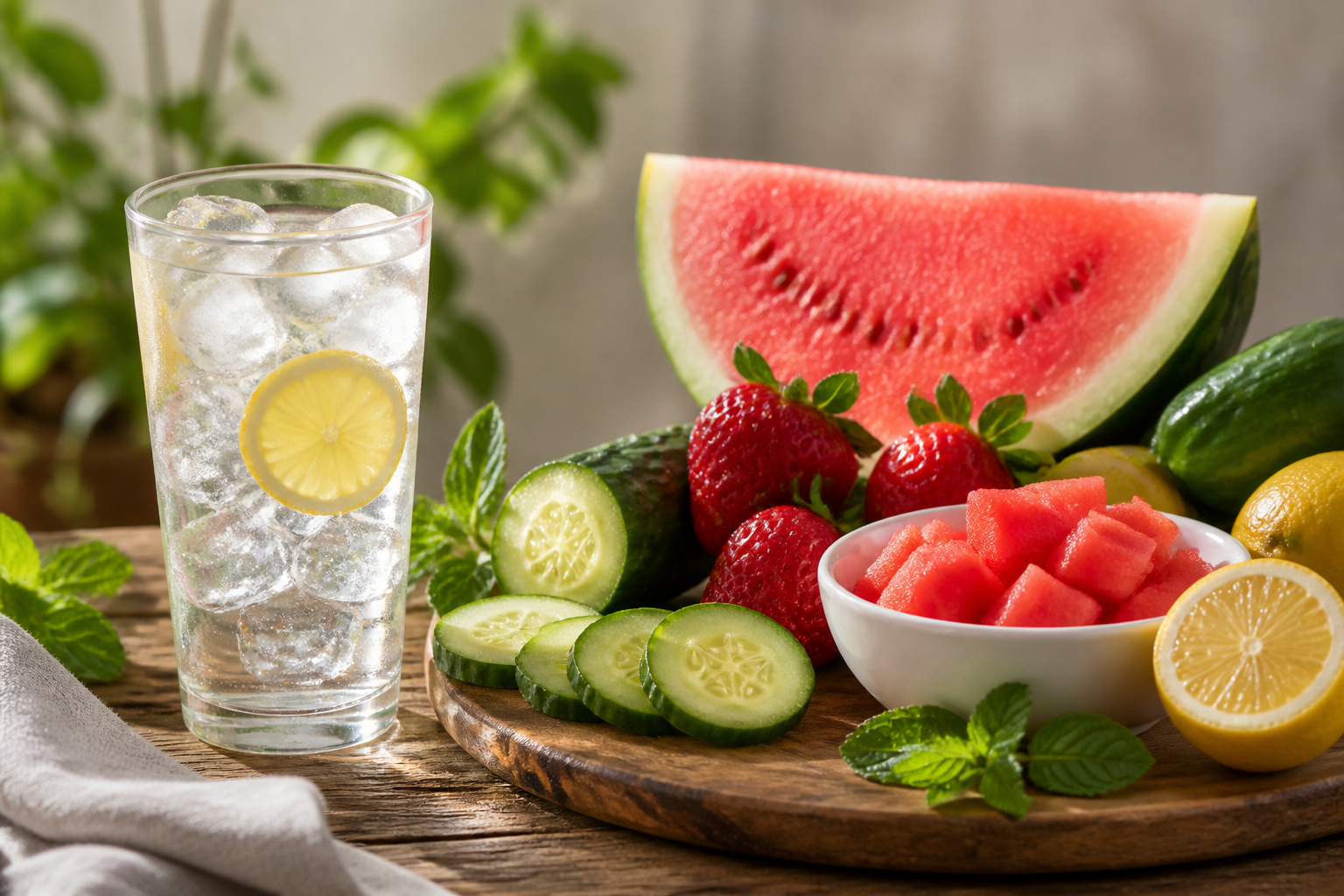
Set reminders on your phone or use an app to prompt you to drink water at regular intervals. Many people find it helpful to drink a glass of water before each meal. This can not only aid hydration but also potentially help with portion control. Infuse your water with fruits like lemon, cucumber, or berries for a refreshing twist if plain water isn't appealing to you.
Remember that not all your fluid intake comes directly from drinking water. Many fruits and vegetables, such as watermelon, oranges, spinach, and celery, have a high water content and contribute to your overall hydration. Soups and broths can also be good sources of fluids. Incorporating these into your diet can be a delicious way to supplement your water intake.
Pay attention to your body's signals. Thirst is the most obvious sign of dehydration, but don't wait until you're parched to drink. Dark yellow urine can also indicate you need more fluids. On the other hand, clear or very pale yellow urine usually means you're well-hydrated. Consistent hydration is a journey, not a destination, and small, consistent efforts yield significant health benefits.
Addressing Common Hydration Questions
**Q: Can I drink too much water?**
Yes, it is possible, though rare, to drink too much water, a condition called hyponatremia. This occurs when sodium levels in the blood become dangerously low. This is typically only a concern for endurance athletes who drink excessive amounts of water without electrolyte replacement, or individuals with certain medical conditions. For most healthy people, your kidneys can process a significant amount of fluid, but always drink in moderation and listen to your body.
**Q: Do coffee and tea count towards my daily water intake?**
While coffee and tea are primarily water, their diuretic properties, especially in large quantities, can cause your body to excrete more fluid than it takes in. So, while they contribute some fluid, they shouldn't be solely relied upon for hydration. It's best to balance caffeinated beverages with plain water to ensure proper hydration.
**Q: How does age affect water intake?**
As we age, our sense of thirst can diminish, and our body's ability to conserve water can decrease. Older adults are often at a higher risk of dehydration, so it's particularly important for them to consciously monitor their fluid intake and establish a regular drinking schedule, even if they don't feel thirsty. Regular small sips throughout the day can be more effective than large quantities less frequently.